




Φοιτητής: Γεώργιος Ιερωνυμάκης
Σχολή Αρχιτεκτόνων Μηχανικών, Πολυτεχνείο Κρήτης
Παρουσίαση: 7 Μαΐου 2025
Η περιοχή παρέμβασης αποτελεί ένα μη ενεργό, αστικό κενό. Βρίσκεται εντός των Τειχών, Βορειοδυτικά της παλιάς πόλης του Ηρακλείου. Γειτνιάζει νότια με την προσφυγική συνοικία της Αγίας Τριάδας, η οποία διαθέτει ιδιαίτερα, ιστορικά χαρακτηριστικά. Οργανική ανάπτυξη με διάσπαρτες μικρές, όμορφες πλατείες, σοκάκια, χαγιάτια. Η κατάσταση των κτισμάτων χαρακτηρίζεται μέτρια -χρήζουν αποκατάστασης, θα λέγαμε καλύτερα.
Βορειοανατολικά βρίσκεται το Μουσείο Φυσικής Ιστορίας και ο κόλπος του Δερματά. Στη θέση του Μουσείου Φυσικής Ιστορίας, υπήρχε παλιά Ηλεκτρική που μαρτυρούσε τη βιομηχανική ανάπτυξη της περιοχής. Καπνεργοστάσια, σταφιδεργοστάσια αλλά και τα Ταμπακαριά (πριν μεταφερθούν δυτικότερα παραπλεύρως του ποταμού Γιόφυρου) στον Κόλπο Δερματά.
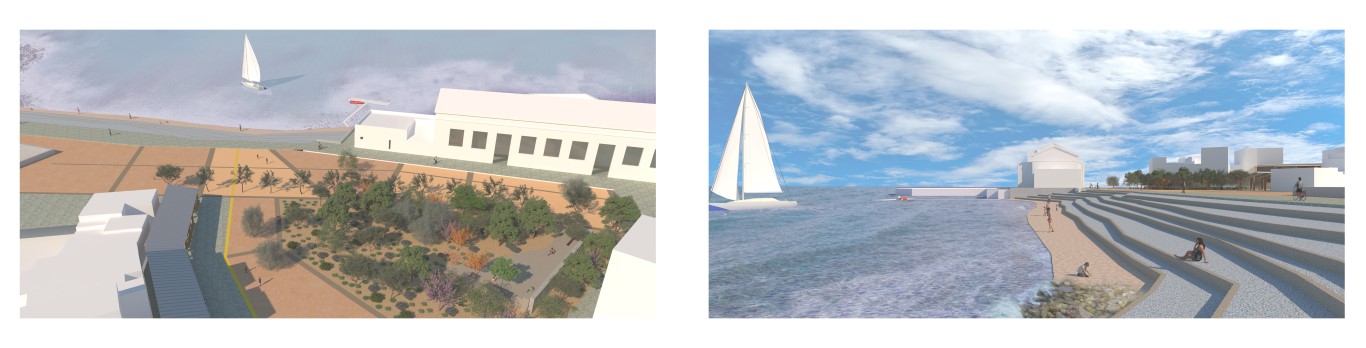
Η σχέση της περιοχής παρέμβασης με την πόλη είναι ιδιαίτερη. Βρίσκεται πολύ κοντά στο κέντρο της πόλης. Διαθέτει ομαλό ανάγλυφο. Στην περιοχή εντοπίζεται ασυνέχεια στο παραλιακό μέτωπο. Αποτελούσε πυρήνα Βιομηχανικών Κελυφών. Σήμερα, κάποια έχουν κατεδαφιστεί, κάποια έχουν αποκατασταθεί (π.χ. στο Καπνεργοστάσιο σήμερα είναι στεγασμένη η Υπηρεσία Αρχαιοτήτων). Τα περισσότερα όμως είναι εγκαταλελειμμένα και χρήζουν αποκατάστασης.
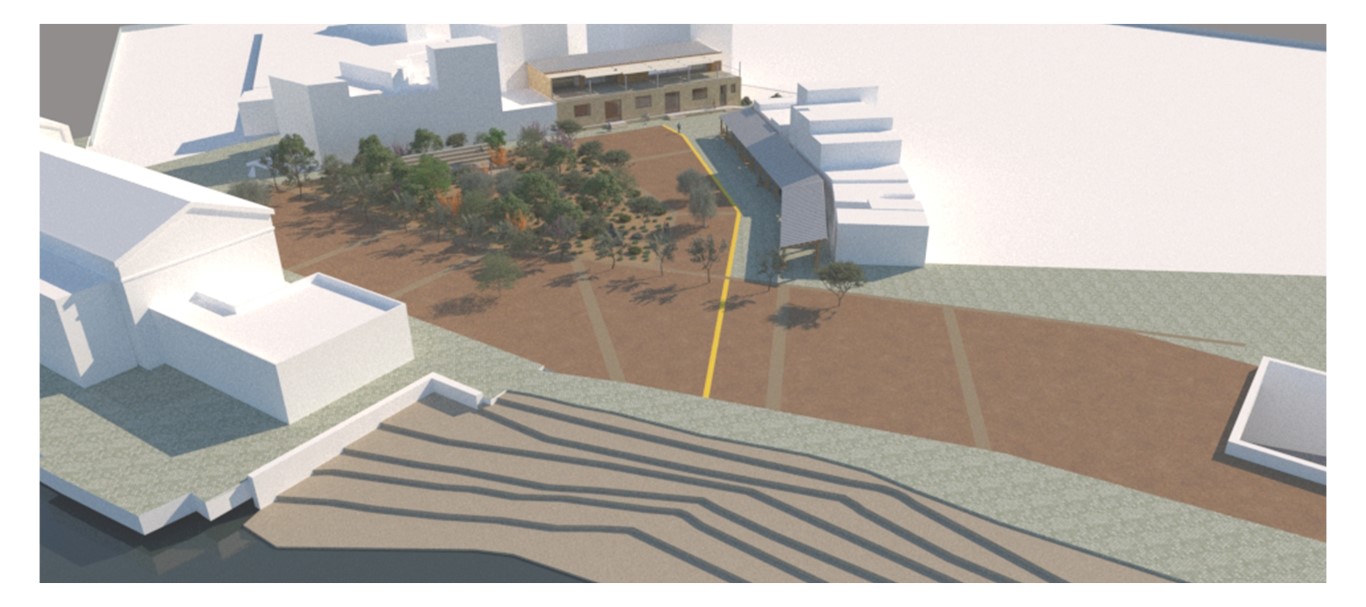
Το Σταφιδεργοστάσιο Παπιδάκη είχε κατασκευαστεί τη δεκαετία του ‘50. Το Βιομηχανικό κτήριο, ορθογώνιο μακρυμέτωπο, λειτουργούσε με αντικείμενο τη σταφίδα. Η Αυλή του αποτελούσε, μαζί με το κτίσμα, ενιαίο σύνολο. Στον αύλειο χώρο υπήρχαν μεγάλα κόσκινα για τη διαλογή της σταφίδας, καθώς και φούρνοι για το ψήσιμό τους (σύμφωνα με μαρτυρίες των γειτόνων).
Η τοιχοποιία είναι από πέτρα, με ισόδομο χτίσιμο. Τα παράθυρα είναι ξύλινα. Μεταγενέστερη προσθήκη, εντός του κτίσματος, στον φέροντα οργανισμό από οπλισμένο σκυρόδεμα, με διάταξη υποστυλωμάτων σε κάναβο.
Σήμερα, η κατάσταση του κτηρίου είναι κακή. Παρατηρείται έντονη αποκόλληση επιχρισμάτων λόγω υγρασίας, ρηγματώσεις στην τοιχοποιία, οπές στην πλάκα, σαθρός οπλισμός, σκουριά και αποκόλληση οπλισμού στα δοκάρια του ορόφου.
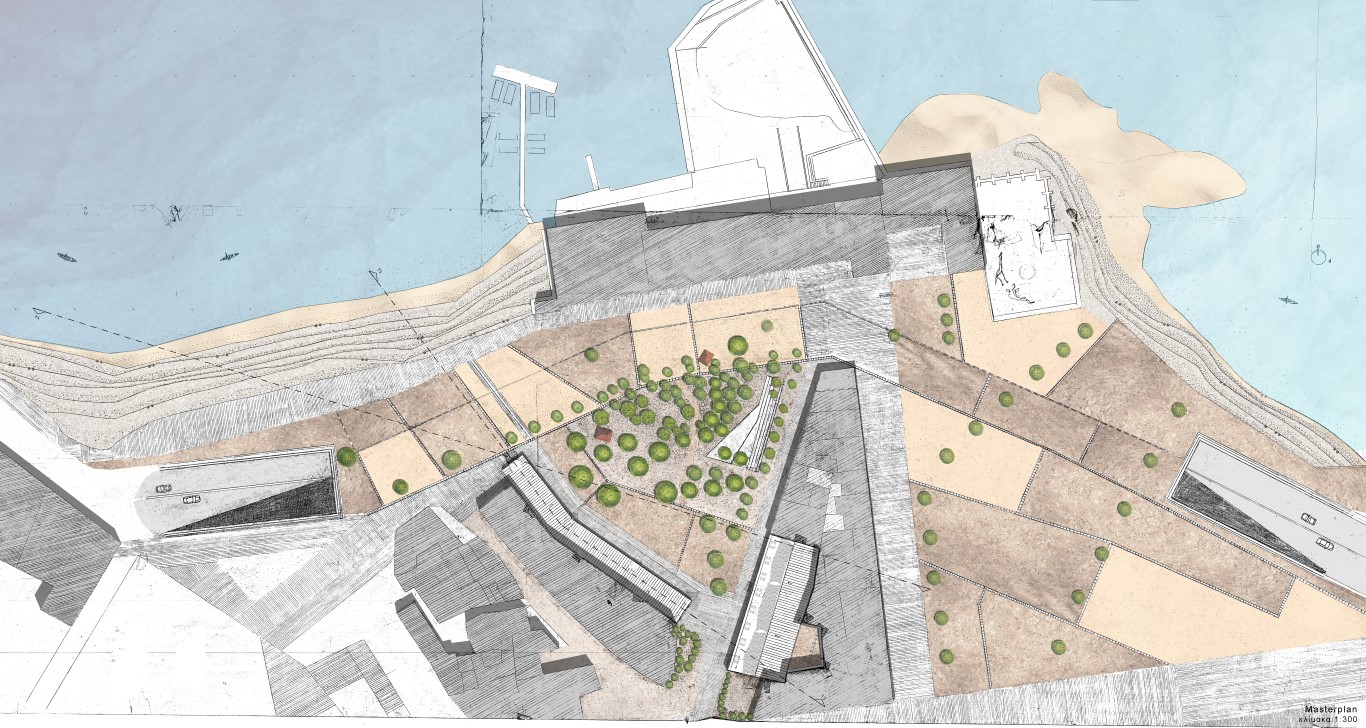
Προθέσεις – Στρατηγική
• Ένταξη στον αστικό ιστό, στην ιστορική συνοικία της Αγίας Τριάδας.
• Ενεργοποίηση Δημοσίου Χώρου. Δημιουργία Πλατείας.
• Αλλαγή οδικής κυκλοφορίας. Υπογειοποίηση αυτοκινητόδρομου.
• Ενίσχυση υπερτοπικού χαρακτήρα περιοχής. Χρήση πολιτισμού και αναψυχής.
• Δημιουργία Πράσινου Πνεύμονα.
• Μεταβολή του ορίου σε σύνδεση. Αξιοποίηση φυσικού ελκυστή θάλασσας.
• Επανάχρηση παλιού βιοτεχνικού κελύφους. Ανάδειξη ίχνους μνήμης της περιοχής.
• Επέκταση υφιστάμενου δικτύου πεζοδρόμου. Σύνδεση με το ιστορικό κέντρο.
• Αξιοποίηση οπτικών φυγών. Διαμόρφωση κερκίδων στο παραλιακό μέτωπο.
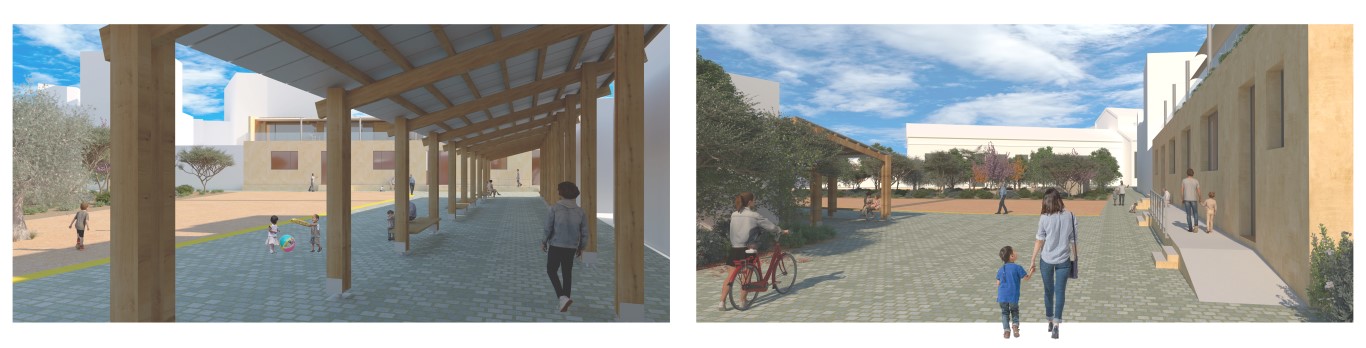
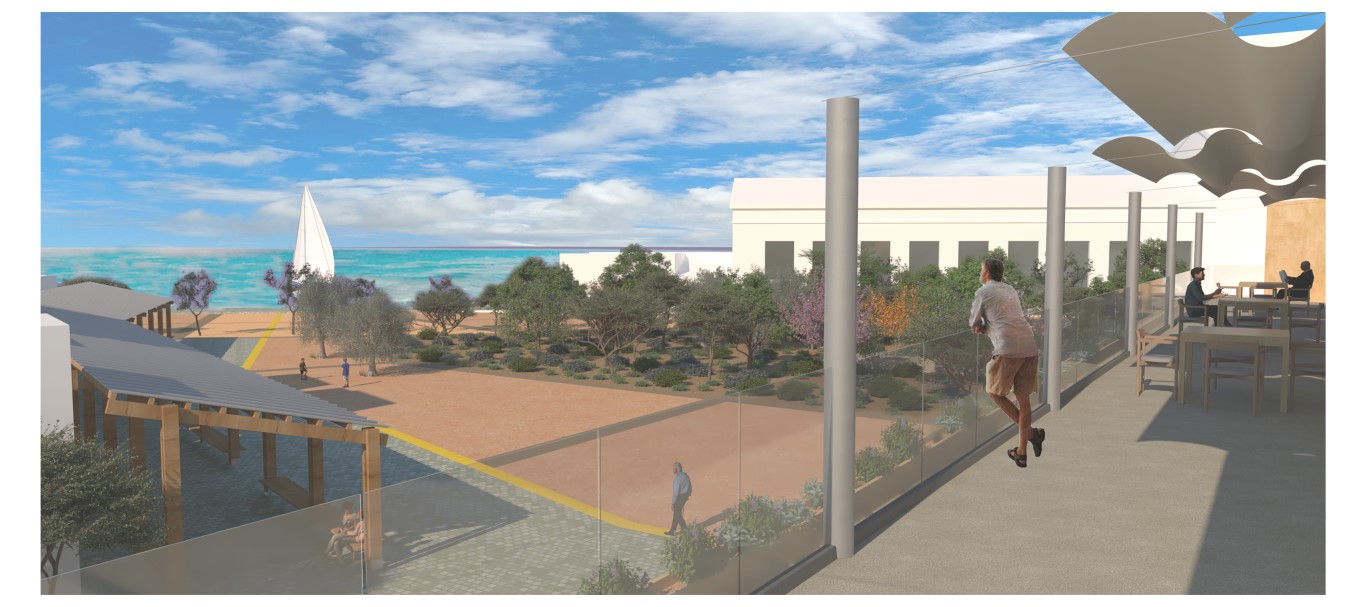
Η Στοά χωροθετείται νοτιοδυτικά σε παράλληλη διάταξη με τα υφιστάμενα κτήρια. Τονισμός του ενδιάμεσου χώρου, ως συνθετική αρχή-πυρήνας οργάνωσης του δημοσίου χώρου στο μεσογειακό κλίμα. Με άμεσο παραλληλισμό στην Αρχαία Αγορά της Αθήνας. Η στοά ενισχύει τη συναναστροφή των ανθρώπων και προστατεύει από τις καιρικές συνθήκες.
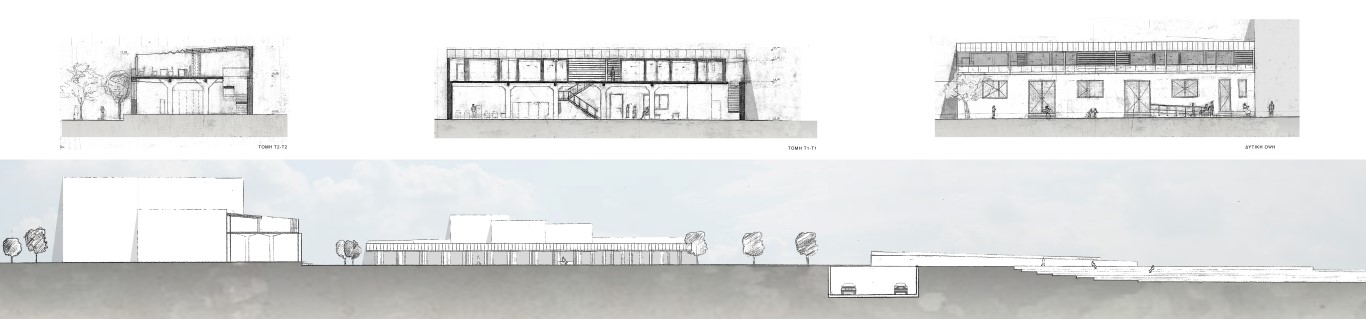
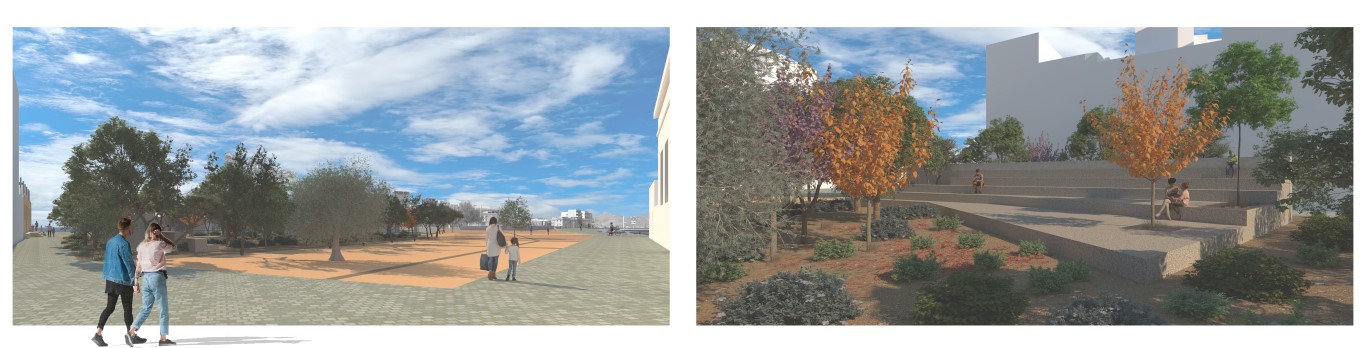
Τα υλικά -ξύλο, σίδερο, γυαλί, άσπρα πανιά Ύδρας, συρματόσχοινο- συνδυάζονται αρμονικά με το περιβάλλον. Το πλακόστρωτο από τετράγωνο κυβόλιθο, πέτρες, πατημένο χώμα, χώμα, κουρασάνι σε ώχρα, πλέκονται με τις κερκίδες, χυτές από βότσαλο. Και μαζί με την αμμουδιά στη θάλασσα δημιουργούν ένα μεσογειακό τοπίο, αναδεικνύοντας το «πνεύμα του τόπου». Η αναζήτηση του νοήματος για την έννοια του τόπου αποτελεί διαχρονικό ζητούμενο για την αρχιτεκτονική.
ABSTRACT OF DIPLOMA THESIS
Title: Adaptive Reuse of the Papidakis Raisin Factory and Activation of Public Space
Institution: Technical University of Crete – School of Architectural Engineering
Supervisor: Ieronymakis Georgios
Presentation Date: 7 May 2025
The intervention area constitutes an inactive urban void located within the Venetian Walls, northwest of the old town of Heraklion. It borders to the south with the refugee district of Agia Triada, a neighborhood distinguished by its strong historical character, organic urban development, and a network of small squares, alleys, and courtyards. The building stock in the area is generally in moderate condition and in need of restoration.
Northeast of the site lies the Museum of Natural History and the Dermatas Bay. The museum stands on the former location of the city’s Electric Power Station, a key witness to the industrial development of the broader area, which historically hosted tobacco factories, raisin-processing facilities, and the tanneries (Tabakaria) before their later relocation westward near the Giofyros River.
The relationship between the intervention area and the urban fabric is noteworthy: it is situated very close to the city center, features smooth topography, and presents a discontinuity along the coastal front. The area once formed a cluster of industrial shells. Today, some of these structures have been demolished, others—such as the former tobacco factory currently housing the Ephorate of Antiquities—have been restored, while the majority remain abandoned and in urgent need of rehabilitation.
The Papidakis Raisin Factory was constructed in the 1950s. It is a long rectangular industrial building originally dedicated to the processing of raisins. The courtyard formed an integral part of the complex. According to testimonies from local residents, the outdoor area contained large sieves used for sorting the raisins, as well as ovens for heating them.
The building features stone masonry in isodomic construction and wooden window frames. A later intervention introduced a reinforced concrete structural system in the interior, with a regular grid of columns.
Today, the building is in poor condition, exhibiting extensive detachment of plaster due to moisture, masonry cracking, openings in the slab, and significant corrosion and delamination of reinforcement bars in the floor beams.
Design Intentions and Strategic Framework
- Integration of the proposal into the urban fabric, specifically the historic district of Agia Triada.
- Activation of public space through the creation of a new square.
- Reconfiguration of vehicular circulation and underground routing of the roadway.
- Enhancement of the supra-local character of the area through cultural and recreational uses.
- Creation of a green urban lung.
- Transformation of the existing boundary into a connective interface, capitalizing on the attractiveness of the coastal front.
- Adaptive reuse of the former industrial shell and preservation of the area’s memory traces.
- Extension of the existing pedestrian network and its linkage with the historic center.
- Utilization of visual axes and formation of stepped seating areas along the seafront.
The stoa is positioned to the southwest, parallel to the existing buildings. It emphasizes the intermediate space, which functions as the central compositional principle and organizational core of public life within the Mediterranean climate. Its design draws a direct parallel to the Stoa of the Ancient Agora of Athens, fostering social interaction while offering protection from weather conditions.
The material palette—wood, steel, glass, Hydra-type white fabric shades, and wire cables— harmonizes with the surrounding natural and built environment. The paving, consisting of stone pavers, natural stones, compacted earth, and ochre-colored hydraulic mortar (kourasani), interweaves with the pebble-cast stepped seating areas. The presence of the sandy shoreline further reinforces the Mediterranean character of the landscape.
This approach seeks to highlight the “genius loci,” as the quest for the meaning and essence of place remains a fundamental and enduring concern in contemporary architectural discourse.
Archetype team - 09/10/2026
Archetype team - 07/10/2026
Λέανδρος Ζωίδης - 05/10/2026
 ΟΛΑ ΤΑ ΤΕΥΧΗ
SUBSCRIBE
ΟΛΑ ΤΑ ΤΕΥΧΗ
SUBSCRIBE
Μπορείς να καταχωρήσεις το έργο σου με έναν από τους τρεις παρακάτω τρόπους: